Chakras for Beginners: How to Bring Them Into Balance
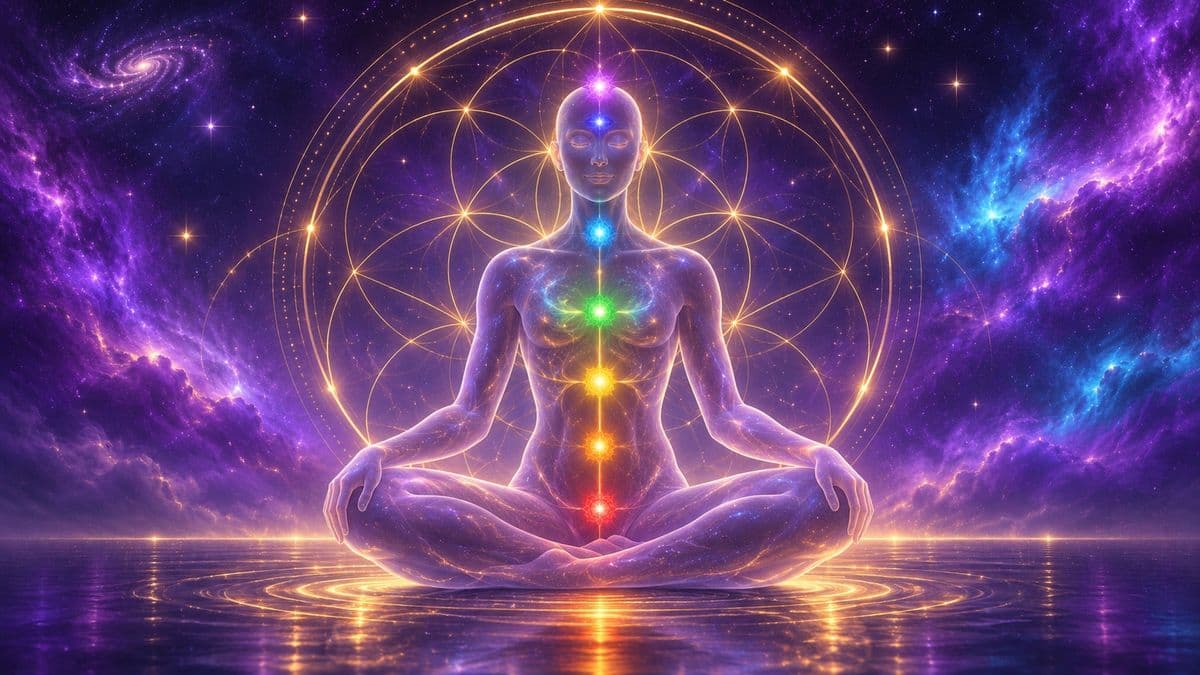
Have you ever felt emotionally blocked or physically drained without knowing exactly why? According to ancient Indian spiritual traditions, one way of understanding these experiences is through the chakra system
Have you ever felt emotionally blocked or physically drained without knowing exactly why? According to ancient Indian spiritual traditions, one way of understanding these experiences is through the chakra system, the energy centers of the subtle body. When the chakras are balanced, they are traditionally associated with harmony, vitality, and a stronger sense of connection with yourself and the world around you.
If you are new to chakras, this is a simple introduction to what they represent, how the seven main chakras are understood, and which practices are traditionally used to bring greater balance into your inner world.
What Are Chakras?
Chakras are described in yogic and spiritual traditions as energy centers through which life energy, or Prana, flows. The most widely known modern system describes seven main chakras extending from the base of the spine to the crown of the head.
Each chakra is associated with particular aspects of physical experience, emotions, personal development, and spiritual awareness. In this tradition, balancing the chakras means creating a greater sense of flow and harmony within yourself.
The Seven Main Chakras and Their Meaning
1. Root Chakra, Muladhara
Location: Base of the spine
Element: Earth
Meaning: Stability, security, grounding
Signs of imbalance: Fear, insecurity, persistent worries about safety or material stability
How to balance it: Walk barefoot on natural ground, practice grounding exercises, meditate on stability, or work symbolically with red stones such as jasper.
The Root Chakra represents your foundation. Its themes are connected with feeling safe, grounded, and supported in life.
2. Sacral Chakra, Svadhisthana
Location: Lower abdomen
Element: Water
Meaning: Creativity, emotions, sensuality, sexuality
Signs of imbalance: Lack of passion, emotional instability, creative stagnation
How to balance it: Dance, swim, practice fluid movement, meditate with attention on the lower abdomen, or use orange stones such as carnelian.
The Sacral Chakra is connected with movement, pleasure, creativity, and your ability to allow emotions to flow rather than suppressing them.
3. Solar Plexus Chakra, Manipura
Location: Upper abdomen, above the navel
Element: Fire
Meaning: Confidence, personal power, willpower
Signs of imbalance: Low self-esteem, anger, lack of motivation or energy
How to balance it: Practice strengthening yoga poses such as Boat Pose, Navasana, work with conscious breathing, or use yellow stones such as citrine.
Manipura represents your inner fire. It is traditionally associated with the ability to act, make decisions, set boundaries, and move through life with confidence.
4. Heart Chakra, Anahata
Location: Center of the chest
Element: Air
Meaning: Love, compassion, forgiveness
Signs of imbalance: Emotional hurt, anger, isolation, difficulty giving or receiving affection
How to balance it: Practice conscious breathing, gratitude, loving-kindness meditation, or work symbolically with green and pink stones such as rose quartz.
The Heart Chakra forms a bridge between the lower and upper chakras. Its central themes are connection, openness, compassion, and the ability to remain emotionally present.
5. Throat Chakra, Vishuddha
Location: Throat
Element: Ether
Meaning: Communication, self-expression, truth
Signs of imbalance: Difficulty expressing yourself, holding back your truth, problems communicating openly
How to balance it: Sing, chant, speak affirmations aloud, journal honestly, or use blue stones such as aquamarine.
The Throat Chakra represents the ability to give your inner world a voice. Balance here is associated with speaking authentically while also being able to listen.
6. Third Eye Chakra, Ajna
Location: Forehead, between the eyebrows
Element: Light
Meaning: Intuition, insight, inner vision
Signs of imbalance: Confusion, lack of focus, self-doubt, difficulty trusting your inner guidance
How to balance it: Meditate with attention on the space between the eyebrows, spend time in silence, practice visualization, or use deep blue stones such as lapis lazuli.
Ajna is traditionally associated with perception beyond immediate appearances. It invites you to become quieter, observe more deeply, and recognize the patterns beneath everyday experience.
7. Crown Chakra, Sahasrara
Location: Crown of the head
Element: Cosmos or pure consciousness
Meaning: Spiritual connection, higher awareness, enlightenment
Signs of imbalance: Lack of meaning, spiritual disconnection, feeling separated from life or a greater whole
How to balance it: Practice silence and meditation, contemplate consciousness and connection, or work symbolically with violet and white stones such as amethyst.
The Crown Chakra represents the spiritual dimension of the chakra system. It points toward the experience of connection with something greater than the individual self, whether you understand that as consciousness, the universe, Source, or the divine.