Top 5 Yoga Poses for Stress Relief
In today’s fast-paced world, stress is everywhere. But the body and mind are not designed to remain in a constant state of “fight or flight.”
In today’s fast-paced world, stress is everywhere. But the body and mind are not designed to remain in a constant state of “fight or flight.” Yoga, an ancient practice that combines breathing, movement, and mindfulness, can become a valuable tool for managing stress.
Here are 5 of the best yoga poses to help reduce tension, calm the nervous system, and restore a greater sense of inner balance.
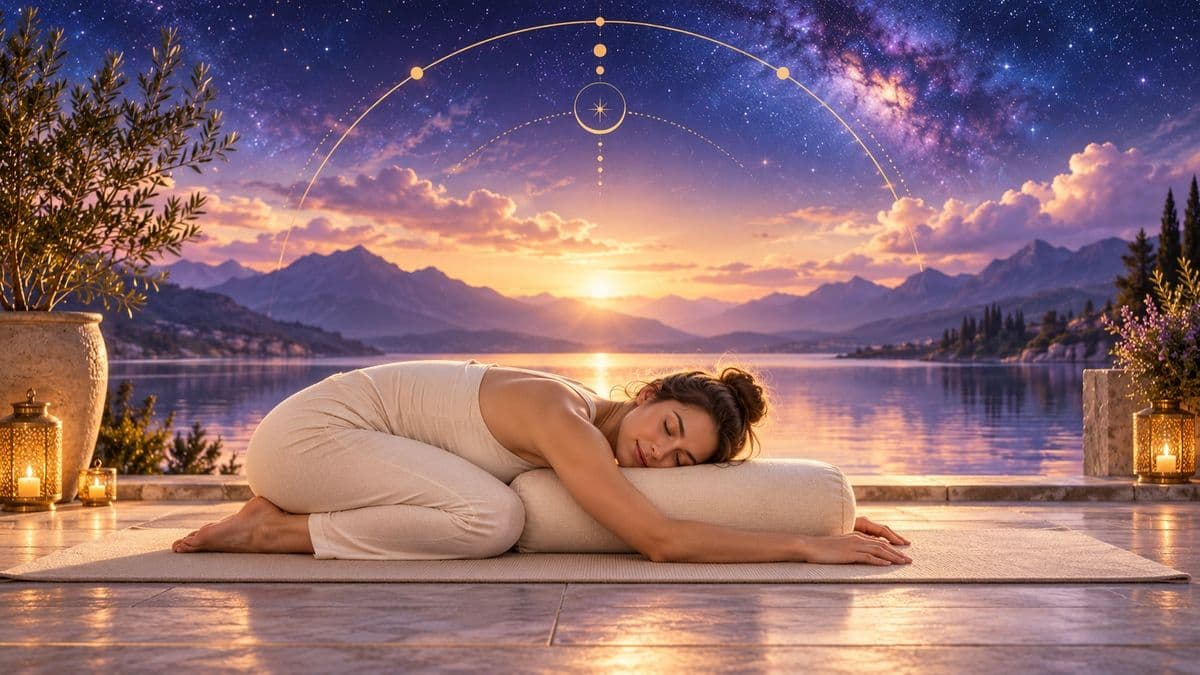
1. Child’s Pose, Balasana
This gentle resting pose can create a feeling of safety and calm while softly stretching the back, hips, and thighs.
How to do it:
- Kneel on your mat, sit back toward your heels, and separate your knees to a comfortable width.
- Fold forward, extend your arms in front of you, and rest your forehead on the mat.
- Close your eyes and breathe slowly and deeply.
Why it helps: Child’s Pose encourages the body to slow down and can help release physical tension after a stressful day.
2. Downward-Facing Dog, Adho Mukha Svanasana
This classic yoga pose stretches the shoulders, back, hamstrings, and calves while bringing movement into the whole body.
How to do it:
- Begin on your hands and knees.
- Lift your hips upward and back, creating an inverted V shape with your body.
- Keep your knees slightly bent if necessary and let your head relax between your arms.
- Take several slow breaths.
Why it helps: Downward-Facing Dog can help release tension held in the shoulders, neck, and back while encouraging deeper breathing and body awareness.
3. Cat-Cow Pose, Marjaryasana/Bitilasana
Cat-Cow is a gentle flowing sequence that mobilizes the spine and connects movement with breathing.
How to do it:
- Begin on your hands and knees.
- As you inhale, gently arch your back and lift your chest and tailbone.
- As you exhale, round your spine and let your head relax downward.
- Continue slowly for several breaths.
Why it helps: The rhythmic movement can reduce stiffness and create a calming connection between breath and body.
4. Butterfly Pose, Baddha Konasana
Butterfly Pose gently opens the hips and inner thighs, areas that can become tense after long periods of sitting or stress.
How to do it:
- Sit comfortably and bring the soles of your feet together.
- Allow your knees to fall gently outward.
- Hold your feet or ankles and sit with your spine comfortably upright.
- Breathe slowly and avoid forcing your knees toward the floor.
Why it helps: This pose encourages gentle release through the hips while creating a quiet moment to focus on breathing.
5. Corpse Pose, Savasana
Savasana is usually practiced at the end of a yoga session and allows the entire body to rest.
How to do it:
- Lie comfortably on your back.
- Let your arms rest beside your body with your palms facing upward.
- Allow your legs and feet to relax naturally.
- Close your eyes and bring your attention to your breath.
- Stay here for several minutes.
Why it helps: Savasana gives the body time to settle after movement and supports deep relaxation and mindful awareness.
A Simple Stress-Relief Yoga Routine
You do not need a long yoga session to create a moment of calm. Spend one to two minutes in each pose, move slowly, and let your breathing guide the practice.
Begin with Cat-Cow to gently mobilize the spine, move into Downward-Facing Dog, then rest in Child’s Pose. Continue with Butterfly Pose and finish with several quiet minutes in Savasana.
The goal is not perfect flexibility or performance. It is to slow down, notice your body, and give yourself a few minutes without rushing to the next task.
A short yoga practice can become a simple ritual for returning your attention to the present moment whenever life begins to feel too loud.