How Yoga Changes Your Body and Mind: Scientific Evidence
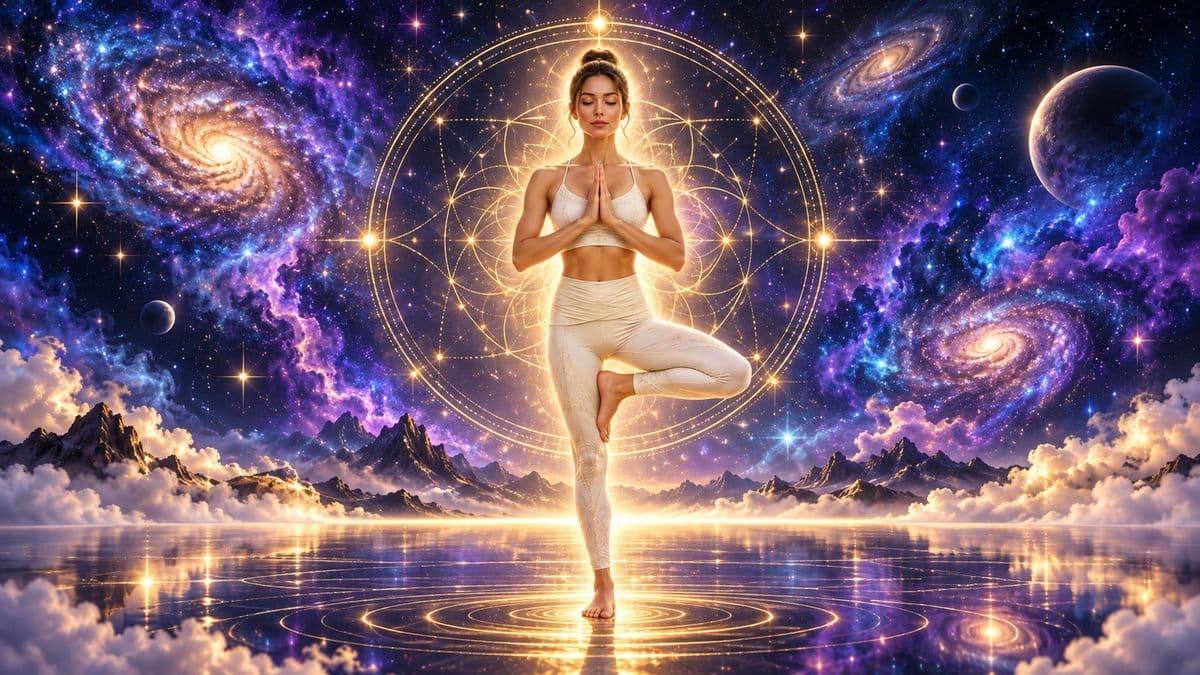
Imagine opening your eyes in the morning and finding your mind clear as crystal. Your body feels light and flexible, and a sense of inner peace wraps around you like a warm blanket.
Imagine opening your eyes in the morning and finding your mind clear as crystal. Your body feels light and flexible, and a sense of inner peace wraps around you like a warm blanket. This is not a scene from a movie or an unrealistic fantasy — it is part of everyday life for many people who practice yoga.
Yoga is more than physical exercise. It is a bridge between body, mind, and spirit — an ancient practice that brings us back to our roots and reminds us what it means to be human. But why is yoga so powerful? How does it affect the body and mind? And what does science say about it? Let’s start at the beginning.
A Story of Transformation
Imagine someone living under constant stress. Perhaps that person looks a little like you: the alarm goes off at 6:30 a.m., the day rushes by, emails pile up, and by evening you collapse into bed exhausted, only to wake without feeling truly rested.
This kind of life leaves traces in the body: a tense neck, an aching back, a constant sense of fatigue. But what if just 30 minutes a day could begin to change the way you feel?
Meet Maria, a 42-year-old mother of two who discovered yoga a few years ago. Her first experience was challenging — her body felt stiff and her mind restless. But after only a few weeks, she began to notice changes. Her back pain eased, and her days felt lighter. What had happened? Yoga had begun to transform the way she experienced both her body and her mind.
What Happens in the Body?
Scientific research supports many of the observations yogic traditions have made for centuries. When you practice yoga, the nervous system can shift away from a constant “fight or flight” state toward a more restorative “rest and recover” mode. This can support lower stress levels and promote a greater sense of calm and well-being.
The effects are not limited to stress responses. Yoga can support circulation, mobility, flexibility, balance, and muscular strength. Each asana, or yoga posture, gently moves and stretches the body, helping release tension that may have built up over time.
People who practice yoga regularly often describe feeling “lighter” or “freer” in their bodies. That feeling is not only about becoming more flexible — it can also come from becoming more aware of how the body moves, breathes, and holds tension.
Changes in the Brain: Where the Magic Happens
Yoga does not only influence the body — it can also affect the way the brain functions. During practice, areas involved in self-awareness, attention, emotional regulation, and introspection become engaged. Regular yoga and meditation practice has also been associated with changes in brain regions involved in memory, focus, and emotional resilience.
Research suggests that people who practice yoga may also respond differently to stress. Instead of reacting automatically, they may become better able to pause, regulate their response, and remain more composed in challenging situations.
Imagine what that could mean in everyday life: the situation may not change, but the way you meet it does.
The Nature of Yoga: Synchronizing Body and Mind
Unlike many forms of conventional exercise, yoga deliberately connects movement with breathing. Each inhale and exhale can be synchronized with movement, creating a sense of rhythm and connection between body and mind.
This coordination does more than improve flexibility and strength. It also encourages mindfulness — the conscious experience of the present moment.
Think about it for a moment: when was the last time you were completely present? When did you truly notice each movement of your body or feel each breath as it happened?
Yoga brings attention back to the present. Instead of constantly returning to the past or anticipating the future, you begin to experience what is happening now.
How Do I Start Practicing Yoga?
If you are a beginner, yoga may seem intimidating. What if you cannot touch your toes? What if you are not flexible enough?
The good news is that yoga is not a competition.
It is not about perfection. It is about the process.
Begin with simple movements such as Cat-Cow, Child’s Pose, or Downward-Facing Dog. Add a few minutes of conscious breathing and simply notice how your body feels.
You do not need to force yourself into a posture or compare yourself with the person next to you. The practice begins with learning to listen to your own body.
Yoga for Modern Life
In today’s fast-paced world, yoga can become much more than another item on a wellness checklist. It can create a deliberate pause in a life that rarely seems to stop.
It does not matter whether you are 20 or 60, highly active or completely new to exercise. Yoga can be adapted to different bodies, levels of experience, and stages of life.
All you really need is a little space, patience, and the willingness to begin.
Ask yourself: what is preventing you from experiencing greater calm, a deeper connection with your body, and more inner balance?
Yoga is not only exercise. It can become a way of returning to yourself.
Perhaps today is the day you take the first step.
Yoga is not magic, although its effects on the body and mind can sometimes feel almost magical. Behind every posture is the logic of movement, breath, attention, and awareness. Behind every quiet moment on the mat lies the possibility of becoming more present in your own life.
Maybe it is time to experience that for yourself.
Are you ready?
Your mat is waiting.